Buy womanslife.eu ?
We are moving the project
womanslife.eu .
Are you interested in purchasing the domain
womanslife.eu ?
domain@kv-gmbh.de · 0541-91531010
Buy womanslife.eu ?
Is the cell cycle the same as cell division?
No, the cell cycle and cell division are not the same. The cell cycle is the series of events that take place in a cell leading to its division and duplication, including growth, DNA replication, and division. Cell division, on the other hand, specifically refers to the process by which a cell divides into two daughter cells. Cell division is just one phase of the cell cycle, which also includes interphase and cytokinesis. **
How long does the cell cycle last?
The cell cycle can vary in length depending on the type of cell and its specific function. In general, the cell cycle can last anywhere from a few hours to several days. For example, rapidly dividing cells like those in the skin or intestines have shorter cell cycles, while cells that are not actively dividing, such as nerve cells, can have longer cell cycles. **

Similar search terms for Skinceuticals-Cell-Cycle-Catalyst
Top-Angebote
Products related to Skinceuticals-Cell-Cycle-Catalyst:
-
Matrix Lifestyle Upright Cycle Touch ConsoleTHE MATRIX LIFESTYLE UPRIGHT CYCLE The perfect choice for low-impact cardio in commercial facilities, the Matrix Lifestyle Upright Cycle combines comfort with premium features and easy maintenance. The Lifestyle Upright Bike comes with three consoles, each with a selection of premium and...8400,00 £*Shipping: 0,00 £Secure redirect to the provider
-
Skinceuticals Eye Balm 15mLA perfume for wrinkles and signs of ageing. This product Eye Contour specifically formulated to reverse the loss of elasticity and firmness. Anti-glycation, Anti-dark circles, Anti-puffiness. With a unique formulation, of combination of components that visibly improve the signs of aging (loss of hydration, the decrease of collagen and the damage caused by free radicals), it consists of:.63,37 £*Shipping: 5,22 £Secure redirect to the provider
-
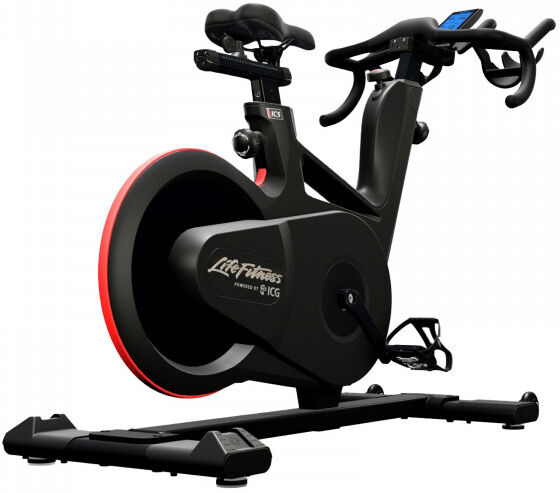
Life Fitness IC5 Indoor Cycle Powered by ICGThe Life Fitness IC5 Indoor Cycle (2024 Model) brings energy and fun to your workouts. Connect your devices easily with Bluetooth, and stay motivated with the colourful LCD display featuring Coach by Colour®. Experience smooth and quiet rides with advanced magnetic resistance, and enjoy the...1495,00 £*Shipping: 0,00 £Secure redirect to the provider
-
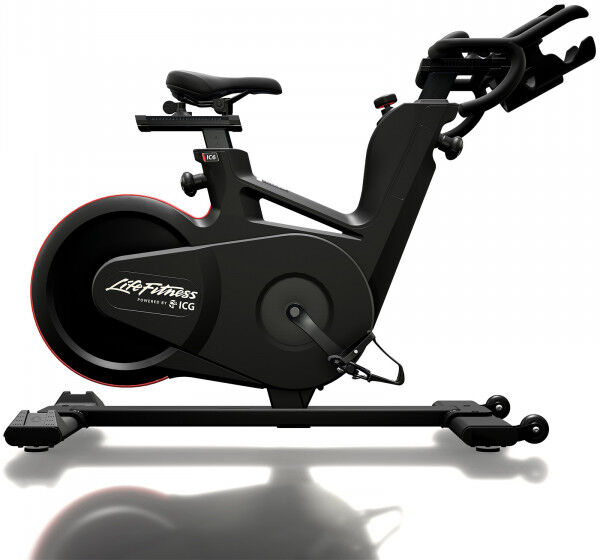
Life Fitness IC6 Indoor Cycle, Powered by ICGThe new Life Fitness IC6 Indoor Cycle, Powered by ICG (2024), takes what you loved about the old model and adds some exciting upgrades. You now get a more precise WattRate® TFT 2.0 full-colour console with better connectivity for real-time power tracking. The , controlled by a 300° dial, makes it...1995,00 £*Shipping: 0,00 £Secure redirect to the provider


-
Can you explain the cell cycle again?
The cell cycle is the series of events that take place in a cell as it grows and divides. It consists of four main stages: G1 (gap 1), S (synthesis), G2 (gap 2), and M (mitosis). During G1, the cell grows and carries out its normal functions. In the S phase, the cell replicates its DNA. In G2, the cell continues to grow and prepares for cell division. Finally, in the M phase, the cell divides into two daughter cells through the processes of mitosis and cytokinesis. This cycle is essential for the growth, development, and maintenance of multicellular organisms. **
-
What is mitosis in the cell cycle?
Mitosis is the process of cell division in which a single cell divides into two identical daughter cells. It is a crucial part of the cell cycle, allowing for growth, repair, and asexual reproduction in organisms. During mitosis, the cell's chromosomes are duplicated and then separated into two new nuclei, ensuring that each daughter cell receives an identical set of genetic material. This process is tightly regulated and consists of several stages, including prophase, metaphase, anaphase, and telophase. **
-
Does the cell cycle occur in all cells?
Yes, the cell cycle occurs in all cells. It is the process by which cells grow, replicate their DNA, and divide to form new cells. This cycle is essential for the growth and development of organisms, as well as for the repair and replacement of damaged or old cells. While the rate and duration of the cell cycle may vary among different cell types, all cells undergo this fundamental process. **
-
What is the biology of the cell cycle?
The cell cycle is the process by which a cell grows, replicates its DNA, and divides to form two daughter cells. It consists of several phases, including interphase (G1, S, and G2 phases) and mitosis. During interphase, the cell grows and replicates its DNA. In mitosis, the replicated DNA is divided equally between the two daughter cells. The cell cycle is tightly regulated by a series of checkpoints and control mechanisms to ensure that the process occurs accurately and efficiently. **


How is the cell cycle properly assessed in biology?
The cell cycle is properly assessed in biology through a combination of techniques, including microscopy, flow cytometry, and molecular biology assays. Microscopy allows for the visualization of cells at different stages of the cell cycle, while flow cytometry can be used to quantify the DNA content of cells to determine their position in the cell cycle. Molecular biology assays, such as PCR and western blotting, can be used to measure the expression levels of specific cell cycle-related proteins. By using these techniques in combination, researchers can gain a comprehensive understanding of the cell cycle and its regulation. **
How does the amount of DNA in a cell change during the cell cycle?
During the cell cycle, the amount of DNA in a cell remains constant until the S phase, where DNA replication occurs. During this phase, the amount of DNA doubles as the cell synthesizes a copy of its genetic material. After DNA replication, the amount of DNA remains constant until the cell divides during mitosis, resulting in two daughter cells with the same amount of DNA as the parent cell. **
Top-Angebote
Products related to Skinceuticals-Cell-Cycle-Catalyst:
-
Skinceuticals Cell Cycle Catalyst Exfoliating Anti-Aging Serum 30mLA facial serum for dull skin. Clinically proven to enhance anti-aging results. Gently exfoliates with a 7.7% multi-acid complex for smoother skin texture. Reduces discoloration and visible lines, enhancing skin radiance. Supports optimal hydration and a healthy skin barrier. 7.7% Multi-Acid Complex ( phytic, mandelic, salicylic, lactic, glycolic acids ).89,89 £*Shipping: 5,22 £Secure redirect to the provider
-
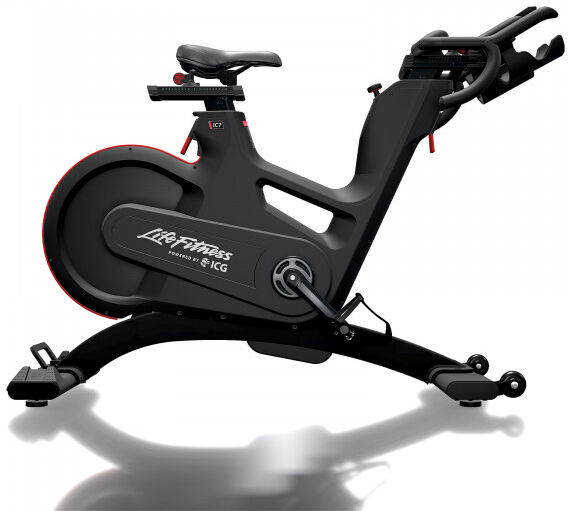
Life Fitness IC7 Indoor CycleSTUDIO CYCLING AT HOME The award-winning Life Fitness IC7 Indoor Cycle brings the challenge of group cycling to your home. Combining a modern design with an impressive range of features, the IC7 provides maximum user comfort, data exchange with external devices, and a unique set of training...2395,00 £*Shipping: 0,00 £Secure redirect to the provider
-
Matrix Lifestyle Upright Cycle Touch ConsoleTHE MATRIX LIFESTYLE UPRIGHT CYCLE The perfect choice for low-impact cardio in commercial facilities, the Matrix Lifestyle Upright Cycle combines comfort with premium features and easy maintenance. The Lifestyle Upright Bike comes with three consoles, each with a selection of premium and...8400,00 £*Shipping: 0,00 £Secure redirect to the provider
-
Skinceuticals Eye Balm 15mLA perfume for wrinkles and signs of ageing. This product Eye Contour specifically formulated to reverse the loss of elasticity and firmness. Anti-glycation, Anti-dark circles, Anti-puffiness. With a unique formulation, of combination of components that visibly improve the signs of aging (loss of hydration, the decrease of collagen and the damage caused by free radicals), it consists of:.63,37 £*Shipping: 5,22 £Secure redirect to the provider
-
Is the cell cycle the same as cell division?
No, the cell cycle and cell division are not the same. The cell cycle is the series of events that take place in a cell leading to its division and duplication, including growth, DNA replication, and division. Cell division, on the other hand, specifically refers to the process by which a cell divides into two daughter cells. Cell division is just one phase of the cell cycle, which also includes interphase and cytokinesis. **
-
How long does the cell cycle last?
The cell cycle can vary in length depending on the type of cell and its specific function. In general, the cell cycle can last anywhere from a few hours to several days. For example, rapidly dividing cells like those in the skin or intestines have shorter cell cycles, while cells that are not actively dividing, such as nerve cells, can have longer cell cycles. **
-
Can you explain the cell cycle again?
The cell cycle is the series of events that take place in a cell as it grows and divides. It consists of four main stages: G1 (gap 1), S (synthesis), G2 (gap 2), and M (mitosis). During G1, the cell grows and carries out its normal functions. In the S phase, the cell replicates its DNA. In G2, the cell continues to grow and prepares for cell division. Finally, in the M phase, the cell divides into two daughter cells through the processes of mitosis and cytokinesis. This cycle is essential for the growth, development, and maintenance of multicellular organisms. **
-
What is mitosis in the cell cycle?
Mitosis is the process of cell division in which a single cell divides into two identical daughter cells. It is a crucial part of the cell cycle, allowing for growth, repair, and asexual reproduction in organisms. During mitosis, the cell's chromosomes are duplicated and then separated into two new nuclei, ensuring that each daughter cell receives an identical set of genetic material. This process is tightly regulated and consists of several stages, including prophase, metaphase, anaphase, and telophase. **
Similar search terms for Skinceuticals-Cell-Cycle-Catalyst
-
Life Fitness IC5 Indoor Cycle Powered by ICGThe Life Fitness IC5 Indoor Cycle (2024 Model) brings energy and fun to your workouts. Connect your devices easily with Bluetooth, and stay motivated with the colourful LCD display featuring Coach by Colour®. Experience smooth and quiet rides with advanced magnetic resistance, and enjoy the...1495,00 £*Shipping: 0,00 £Secure redirect to the provider
-
Life Fitness IC6 Indoor Cycle, Powered by ICGThe new Life Fitness IC6 Indoor Cycle, Powered by ICG (2024), takes what you loved about the old model and adds some exciting upgrades. You now get a more precise WattRate® TFT 2.0 full-colour console with better connectivity for real-time power tracking. The , controlled by a 300° dial, makes it...1995,00 £*Shipping: 0,00 £Secure redirect to the provider
-
Life Fitness IC3 Indoor Cycle Powered by ICGThe Life Fitness IC3 Indoor Cycle Powered by ICG combines top-tier design and advanced tech for a high-performance cycling setup. With its WattRate® LCD computer, you can track your power and performance in real time, helping you stay focused and improve each ride. The magnetic resistance dial...1295,00 £*Shipping: 0,00 £Secure redirect to the provider
-
WALKER 28647 Pre-CatalystLength [mm]: 260; Weight [kg]: 2,300; Code Letter: 91; Supplementary Article / Supplementary Info Info 2: with attachment parts; Guarantee: 3 years guarantee; Emissions Standard: Euro 4 (D4); Construction Year from: 09/2006254,99 £*Shipping: 1,99 £Secure redirect to the provider
-
Does the cell cycle occur in all cells?
Yes, the cell cycle occurs in all cells. It is the process by which cells grow, replicate their DNA, and divide to form new cells. This cycle is essential for the growth and development of organisms, as well as for the repair and replacement of damaged or old cells. While the rate and duration of the cell cycle may vary among different cell types, all cells undergo this fundamental process. **
-
What is the biology of the cell cycle?
The cell cycle is the process by which a cell grows, replicates its DNA, and divides to form two daughter cells. It consists of several phases, including interphase (G1, S, and G2 phases) and mitosis. During interphase, the cell grows and replicates its DNA. In mitosis, the replicated DNA is divided equally between the two daughter cells. The cell cycle is tightly regulated by a series of checkpoints and control mechanisms to ensure that the process occurs accurately and efficiently. **
-
How is the cell cycle properly assessed in biology?
The cell cycle is properly assessed in biology through a combination of techniques, including microscopy, flow cytometry, and molecular biology assays. Microscopy allows for the visualization of cells at different stages of the cell cycle, while flow cytometry can be used to quantify the DNA content of cells to determine their position in the cell cycle. Molecular biology assays, such as PCR and western blotting, can be used to measure the expression levels of specific cell cycle-related proteins. By using these techniques in combination, researchers can gain a comprehensive understanding of the cell cycle and its regulation. **
-
How does the amount of DNA in a cell change during the cell cycle?
During the cell cycle, the amount of DNA in a cell remains constant until the S phase, where DNA replication occurs. During this phase, the amount of DNA doubles as the cell synthesizes a copy of its genetic material. After DNA replication, the amount of DNA remains constant until the cell divides during mitosis, resulting in two daughter cells with the same amount of DNA as the parent cell. **
* All prices are inclusive of VAT and, if applicable, plus shipping costs. The offer information is based on the details provided by the respective shop and is updated through automated processes. Real-time updates do not occur, so deviations can occur in individual cases. ** Note: Parts of this content were created by AI.