Buy womanslife.eu ?
We are moving the project
womanslife.eu .
Are you interested in purchasing the domain
womanslife.eu ?
domain@kv-gmbh.de · 0541-91531010
Buy womanslife.eu ?
What are trophic levels and trophic structures?
Trophic levels refer to the hierarchical levels in an ecosystem through which energy and nutrients flow. They represent the feeding positions of different organisms in a food chain or food web. Trophic structures, on the other hand, describe the organization of these trophic levels within an ecosystem. This includes the distribution of energy and nutrients among different organisms, as well as the interactions and relationships between them. Overall, trophic levels and trophic structures are important concepts for understanding the flow of energy and nutrients in ecosystems and the dynamics of food chains and food webs. **
Are trophic levels and trophic levels the same in biology?
No, trophic levels and trophic levels are not the same in biology. Trophic levels refer to the hierarchical levels in an ecosystem based on an organism's position in the food chain, such as producers, primary consumers, secondary consumers, etc. On the other hand, trophic cascades are the indirect effects that occur when a change in one trophic level impacts other trophic levels in the ecosystem. Both concepts are important in understanding the dynamics of energy flow and interactions within ecosystems. **


Similar search terms for Trophic
Top-Angebote
Products related to Trophic:
-
Hachette Books Ireland Everything: Beauty. Style. Fitness. Life. by Vogue Williams - Hardback Lifestyle & Beauty Book - Honest Fitness, Style & Confidence Tips - Great GiftGet a glimpse into the daily routines and habits of model, DJ, and television presenter Vogue Williams in her debut lifestyle book. Written in her trademark down-to-earth style, Vogue shares the real ways she stays confident in a fast-paced world. This hardback book offers practical advice on beauty, fitness, and lifestyle, making it a relatable companion for anyone looking for achievable tips rather than an unrealistic makeover manual. Inside, you'll find Vogue's go-to workout routines, favourite recipes, everyday skincare habits, signature make-up looks, and how to dress with confidence for any occasion. With its warm and honest tone, this book is a must-read for anyone looking to feel more comfortable in their own skin.2,99 £*Shipping: 2,99 £Secure redirect to the provider
-
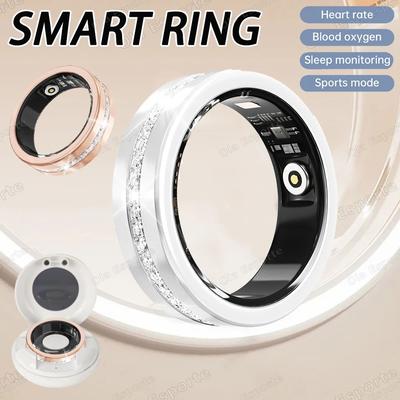
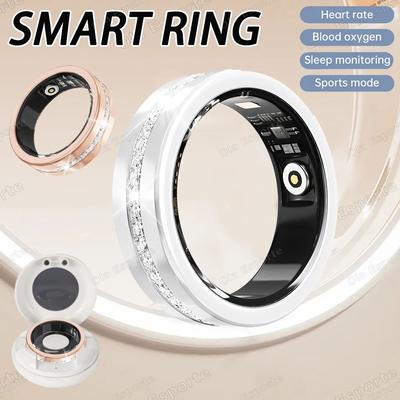
Uplift Treasures Fashion Smart Fitness Ring Heart Rate Pedometer Health Tracker black 10Product Description Combine style and wellness with this elegant smart fitness ring designed especially for everyday health tracking. Featuring heart rate monitoring, step counting, and sports activity tracking, this diamond style smart ring blends...33,97 $*Shipping: 0,00 $Secure redirect to the provider
-
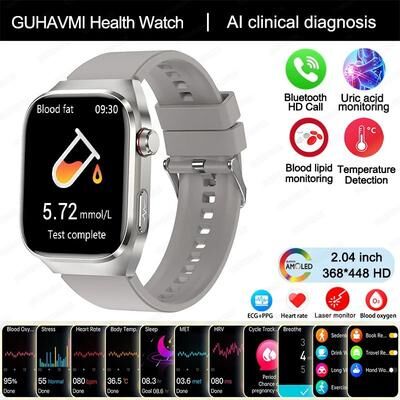
Inspire Select 2025 Health Smart Watch AMOLED Bluetooth Call Fitness Tracker With ECG & Wellness Monitoring silverStay connected while monitoring your daily wellness with this advanced health smart watch designed for fitness, lifestyle tracking, and smart convenience. Featuring a stunning AMOLED smartwatch display, Bluetooth calling, ECG monitoring, and...298,98 $*Shipping: 0,00 $Secure redirect to the provider
-
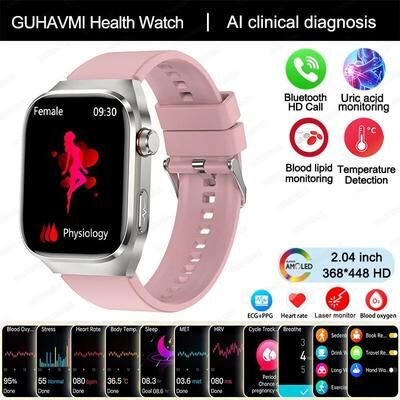
Inspire Select 2025 Health Smart Watch AMOLED Bluetooth Call Fitness Tracker With ECG & Wellness Monitoring pinkStay connected while monitoring your daily wellness with this advanced health smart watch designed for fitness, lifestyle tracking, and smart convenience. Featuring a stunning AMOLED smartwatch display, Bluetooth calling, ECG monitoring, and...299,96 $*Shipping: 0,00 $Secure redirect to the provider

-
Are trophic levels and trophic levels the same thing in biology?
No, "trophic levels" and "trophic levels" are not the same thing in biology. "Trophic levels" refer to the hierarchical levels in an ecosystem based on an organism's position in the food chain, such as producers, primary consumers, secondary consumers, and so on. On the other hand, "trophic levels" appears to be a typographical error or a repetition of the term "trophic levels." In biology, it is important to use accurate and specific terminology to avoid confusion and miscommunication. **
-
Why do organisms become larger from trophic level to trophic level?
Organisms become larger from trophic level to trophic level due to the efficiency of energy transfer in ecosystems. As energy is transferred from one trophic level to the next, there is a loss of energy in the form of heat and metabolic processes. Larger organisms are able to consume more energy-rich food sources and have a more efficient metabolism, allowing them to grow in size as they move up the food chain. Additionally, larger organisms are better equipped to capture and consume prey, giving them a competitive advantage in obtaining energy and resources. **
-
Why do organisms get larger from trophic level to trophic level?
Organisms tend to get larger from one trophic level to the next because as energy is transferred up the food chain, there is a loss of energy at each level. This means that organisms at higher trophic levels need to consume larger quantities of organisms from lower trophic levels to obtain enough energy to sustain themselves. Additionally, larger organisms are more efficient at capturing and consuming prey, allowing them to thrive at higher trophic levels. Finally, larger organisms have a lower surface area to volume ratio, which helps them retain heat and energy more effectively. **
-
Why does the biomass decrease from trophic level to trophic level?
Biomass decreases from trophic level to trophic level because energy is lost as it moves through the food chain. Organisms at each trophic level use some of the energy they consume for their own metabolic processes, such as respiration and movement, and the rest is lost as heat. This means that there is less energy available to be passed on to the next trophic level, resulting in a decrease in biomass. Additionally, not all of the energy from one trophic level is consumed by the next level, as some is lost through waste and uneaten parts of organisms. **
What are trophic levels in biology?
Trophic levels in biology refer to the hierarchical levels in an ecosystem where organisms are grouped based on their feeding relationships. The primary producers, such as plants, are at the base of the trophic levels as they convert sunlight into energy through photosynthesis. Herbivores that feed on plants are at the next level, followed by carnivores that eat herbivores. Each trophic level represents a transfer of energy and nutrients through the ecosystem, with energy decreasing as it moves up the levels. **
What is the trophic level of omnivores?
Omnivores are organisms that consume both plants and animals, so their trophic level can vary. When they consume plants, they are considered primary consumers (herbivores) and when they consume animals, they are considered secondary consumers (carnivores). This means that omnivores can occupy multiple trophic levels within a food web, depending on their diet. **
Top-Angebote
Products related to Trophic:
-
Beauty Works Winter Wellness (Worth £41.98)Restore and revive your hair with the Beauty Works Winter Wellness Gift Set. Featuring Beauty Works Restore Mask, Argan Serum, Towel Turban, and Scalp Massager for ultimate hydration, shine, and relaxation. Perfect for winter hair care! This set includes: Restore Mask 250ml: Revive dry, dehydrated hair in just 10 minutes. This Beauty Works Restore Mask in 250ml is a must have addition to your haircare routine - if you're looking for a fast acting treatment that rejuvenates and hydrates your locks then you've found it! Argan Serum 90ml: A hair oil that will have you coming back for more... Healthy looking and feeling hair in seconds, the Beauty Works Argan Oil Serum 90ml has been specially formulated to rejuvenate your locks whenever you need. Towel Turban Scalp Massager Ingredients Aqua [Water], Cetearyl alcohol, Propylene glycol, Behentrimonium chloride, Cetyl esters, Glyceryl stearate, Paraffin, Amodimethicone, Phenyl trimethicone, Sesamum indicum (Sesame) seed oil, Copernicia cerifera cera [Copernicia cerifera (Carnauba) wax], Glycerin, Parfum [Fragrance], Phenoxyethanol, Euphorbia cerifera cera [Euphorbia cerifera (Candelilla) wax], PEG-40/PPG-8 methylaminopropyl/Hydroxypropyl dimethicone copolymer, Lactic acid, PEG-8, Trideceth-10, Dipropylene glycol, Cetrimonium chloride, Hexyl cinnamal, Hydrolyzed Verbascum Thapsus Flower, Hydrolyzed chestnut extract, Hydrolyzed walnut extract, Linalool, PEG-8/SMDI copolymer, Palmitoyl myristyl serinate, Sodium polyacrylate, Citric acid, Methylchloroisothiazolinone, Methylisothiazolinone, Sodium benzoate, Potassium sorbate Cyclopentasiloxane, Dimethiconol, C13-14 isoparaffin, Alcohol denat., Parfum [Fragrance], Argania spinosa kernel oil, Methyl hydrogenated rosinate, Hexyl cinnamal, Citronellol, CI 47000 [Yellow 11], CI 26100 [Red 17]24,50 £*Shipping: 0,00 £Secure redirect to the provider
-
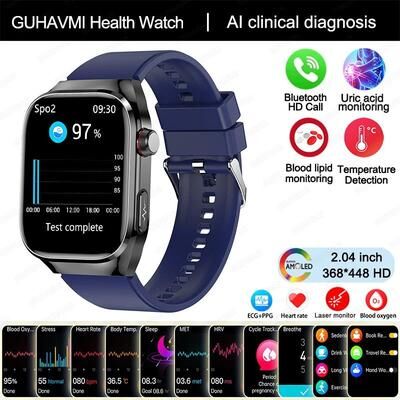
Inspire Select 2025 Health Smart Watch AMOLED Bluetooth Call Fitness Tracker With ECG & Wellness Monitoring blackStay connected while monitoring your daily wellness with this advanced health smart watch designed for fitness, lifestyle tracking, and smart convenience. Featuring a stunning AMOLED smartwatch display, Bluetooth calling, ECG monitoring, and...288,98 $*Shipping: 0,00 $Secure redirect to the provider
-
Hachette Books Ireland Everything: Beauty. Style. Fitness. Life. by Vogue Williams - Hardback Lifestyle & Beauty Book - Honest Fitness, Style & Confidence Tips - Great GiftGet a glimpse into the daily routines and habits of model, DJ, and television presenter Vogue Williams in her debut lifestyle book. Written in her trademark down-to-earth style, Vogue shares the real ways she stays confident in a fast-paced world. This hardback book offers practical advice on beauty, fitness, and lifestyle, making it a relatable companion for anyone looking for achievable tips rather than an unrealistic makeover manual. Inside, you'll find Vogue's go-to workout routines, favourite recipes, everyday skincare habits, signature make-up looks, and how to dress with confidence for any occasion. With its warm and honest tone, this book is a must-read for anyone looking to feel more comfortable in their own skin.2,99 £*Shipping: 2,99 £Secure redirect to the provider
-
Uplift Treasures Fashion Smart Fitness Ring Heart Rate Pedometer Health Tracker black 10Product Description Combine style and wellness with this elegant smart fitness ring designed especially for everyday health tracking. Featuring heart rate monitoring, step counting, and sports activity tracking, this diamond style smart ring blends...33,97 $*Shipping: 0,00 $Secure redirect to the provider
-
What are trophic levels and trophic structures?
Trophic levels refer to the hierarchical levels in an ecosystem through which energy and nutrients flow. They represent the feeding positions of different organisms in a food chain or food web. Trophic structures, on the other hand, describe the organization of these trophic levels within an ecosystem. This includes the distribution of energy and nutrients among different organisms, as well as the interactions and relationships between them. Overall, trophic levels and trophic structures are important concepts for understanding the flow of energy and nutrients in ecosystems and the dynamics of food chains and food webs. **
-
Are trophic levels and trophic levels the same in biology?
No, trophic levels and trophic levels are not the same in biology. Trophic levels refer to the hierarchical levels in an ecosystem based on an organism's position in the food chain, such as producers, primary consumers, secondary consumers, etc. On the other hand, trophic cascades are the indirect effects that occur when a change in one trophic level impacts other trophic levels in the ecosystem. Both concepts are important in understanding the dynamics of energy flow and interactions within ecosystems. **
-
Are trophic levels and trophic levels the same thing in biology?
No, "trophic levels" and "trophic levels" are not the same thing in biology. "Trophic levels" refer to the hierarchical levels in an ecosystem based on an organism's position in the food chain, such as producers, primary consumers, secondary consumers, and so on. On the other hand, "trophic levels" appears to be a typographical error or a repetition of the term "trophic levels." In biology, it is important to use accurate and specific terminology to avoid confusion and miscommunication. **
-
Why do organisms become larger from trophic level to trophic level?
Organisms become larger from trophic level to trophic level due to the efficiency of energy transfer in ecosystems. As energy is transferred from one trophic level to the next, there is a loss of energy in the form of heat and metabolic processes. Larger organisms are able to consume more energy-rich food sources and have a more efficient metabolism, allowing them to grow in size as they move up the food chain. Additionally, larger organisms are better equipped to capture and consume prey, giving them a competitive advantage in obtaining energy and resources. **
Similar search terms for Trophic
-
Inspire Select 2025 Health Smart Watch AMOLED Bluetooth Call Fitness Tracker With ECG & Wellness Monitoring silverStay connected while monitoring your daily wellness with this advanced health smart watch designed for fitness, lifestyle tracking, and smart convenience. Featuring a stunning AMOLED smartwatch display, Bluetooth calling, ECG monitoring, and...298,98 $*Shipping: 0,00 $Secure redirect to the provider
-
Inspire Select 2025 Health Smart Watch AMOLED Bluetooth Call Fitness Tracker With ECG & Wellness Monitoring pinkStay connected while monitoring your daily wellness with this advanced health smart watch designed for fitness, lifestyle tracking, and smart convenience. Featuring a stunning AMOLED smartwatch display, Bluetooth calling, ECG monitoring, and...299,96 $*Shipping: 0,00 $Secure redirect to the provider
-
Inspire Select 2025 Health Smart Watch AMOLED Bluetooth Call Fitness Tracker With ECG & Wellness Monitoring blueStay connected while monitoring your daily wellness with this advanced health smart watch designed for fitness, lifestyle tracking, and smart convenience. Featuring a stunning AMOLED smartwatch display, Bluetooth calling, ECG monitoring, and...299,95 $*Shipping: 0,00 $Secure redirect to the provider
-
Uplift Treasures Fashion Smart Fitness Ring Heart Rate Pedometer Health Tracker black 7Product Description Combine style and wellness with this elegant smart fitness ring designed especially for everyday health tracking. Featuring heart rate monitoring, step counting, and sports activity tracking, this diamond style smart ring blends...33,97 $*Shipping: 0,00 $Secure redirect to the provider
-
Why do organisms get larger from trophic level to trophic level?
Organisms tend to get larger from one trophic level to the next because as energy is transferred up the food chain, there is a loss of energy at each level. This means that organisms at higher trophic levels need to consume larger quantities of organisms from lower trophic levels to obtain enough energy to sustain themselves. Additionally, larger organisms are more efficient at capturing and consuming prey, allowing them to thrive at higher trophic levels. Finally, larger organisms have a lower surface area to volume ratio, which helps them retain heat and energy more effectively. **
-
Why does the biomass decrease from trophic level to trophic level?
Biomass decreases from trophic level to trophic level because energy is lost as it moves through the food chain. Organisms at each trophic level use some of the energy they consume for their own metabolic processes, such as respiration and movement, and the rest is lost as heat. This means that there is less energy available to be passed on to the next trophic level, resulting in a decrease in biomass. Additionally, not all of the energy from one trophic level is consumed by the next level, as some is lost through waste and uneaten parts of organisms. **
-
What are trophic levels in biology?
Trophic levels in biology refer to the hierarchical levels in an ecosystem where organisms are grouped based on their feeding relationships. The primary producers, such as plants, are at the base of the trophic levels as they convert sunlight into energy through photosynthesis. Herbivores that feed on plants are at the next level, followed by carnivores that eat herbivores. Each trophic level represents a transfer of energy and nutrients through the ecosystem, with energy decreasing as it moves up the levels. **
-
What is the trophic level of omnivores?
Omnivores are organisms that consume both plants and animals, so their trophic level can vary. When they consume plants, they are considered primary consumers (herbivores) and when they consume animals, they are considered secondary consumers (carnivores). This means that omnivores can occupy multiple trophic levels within a food web, depending on their diet. **
* All prices are inclusive of VAT and, if applicable, plus shipping costs. The offer information is based on the details provided by the respective shop and is updated through automated processes. Real-time updates do not occur, so deviations can occur in individual cases. ** Note: Parts of this content were created by AI.